
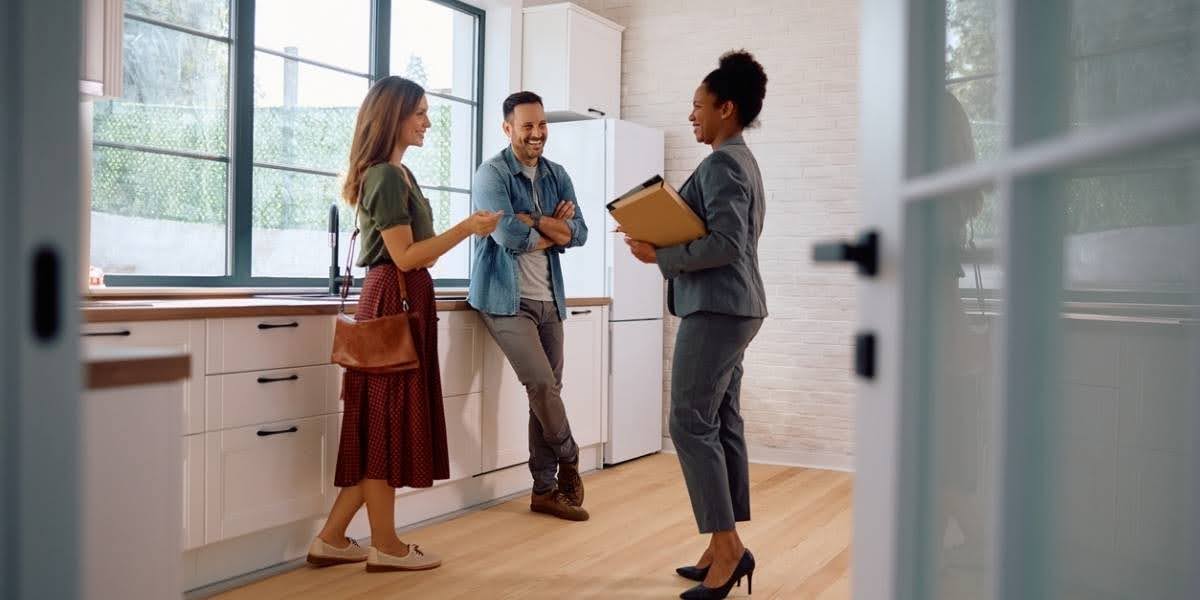
When you start learning professional home organizer tips, one of the most helpful things to understand is how a professional looks at a home before doing anything. Before moving items or buying containers, there is a clear process. This process is called a home organization assessment, and it shapes everything that comes next.
If you have ever cleaned or organized your home only to see it fall apart again, you are not alone. Many people skip this first step. Professional organizers take time to study how a home works before making changes. That is what leads to results that last.
This guide explains exactly what professionals look for first, along with practical professional home organizer tips you can use in your own home.
Why the First Assessment Matters
A well-organized home does not happen by chance. It starts with understanding the space.
A home organization assessment helps identify what is working and what is not. Without this step, even the best systems can fail because they do not fit your daily life.
Research shows that over half of homeowners feel overwhelmed by clutter. Many try to fix it quickly, but without a plan, the results do not last.
Professional organizers take a different approach. They slow down, observe, and make thoughtful decisions.
How the Space Is Really Used
One of the most helpful professional home organizer tips is to stop looking at a room only as it appears and start looking at how it functions every day. A space can look beautiful in photos and still be frustrating to live in. On the other hand, a room that seems ordinary at first glance may actually work very well because it supports daily habits.
This is one of the first things professional organizers study when they enter a home. They are not only noticing clutter or furniture placement. They are asking a deeper question: How is this space actually being used by the people who live here?
That question changes everything.
A successful organizing system is not built around appearance alone. It is built around movement, habits, routines, and real-life behavior. That is why this is one of the most important professional home organizer tips for anyone trying to create a home that feels easier to manage.
Why Function Comes Before Appearance
Many people think organizing starts with buying baskets, clearing surfaces, or making a room look neat. While those things can help, they come later. First, you need to understand what the space is doing now.
Professional organizers know that clutter often tells a story. A pile of shoes by the door, papers on the island, or bags on a chair are not random problems. They usually show where the current setup is not supporting daily life.
For example, if backpacks, sunglasses, keys, and mail always land on the kitchen counter, the kitchen counter is not the real issue. The real issue is that the home may not have a working entry system.
This is why professional home organizer tips focus so much on behavior. A system only works if it matches what people naturally do.
Daily Habits Matter
Every home has patterns. Some are helpful, and some create stress. A professional organizer looks for both.
When assessing a space, they pay close attention to:
- Where clutter builds up again and again
- Which areas are used most often
- How people move through the room
- Where simple tasks feel harder than they should
These patterns reveal far more than a quick glance ever could.
Where Clutter Builds Up
Clutter usually collects in predictable places. These clutter hotspots are some of the clearest signs of where a home needs support.
Common examples include:
- Mail piling up on the kitchen counter
- Shoes collecting near the front door
- Clothes landing on a bedroom chair
- Toiletries spreading across a bathroom vanity
- Papers gathering on a desk or dining table
Professional organizers do not just remove the clutter. They ask why it lands there in the first place.
That is one of the smartest professional home organizer tips you can use in your own home. Instead of asking, “How do I get rid of this pile?” ask, “Why does this pile keep forming here?”
Which Areas Are Used the Most
Not every part of a home needs the same level of attention. Some spaces carry much more of the daily load.
A professional organizer wants to know:
- Which entry is actually used each day
- Which bathroom everyone reaches for first
- Which part of the kitchen handles the most traffic
- Which closet gets opened the most often
- Which room becomes a drop zone for family activity
This matters because the most-used areas need the simplest, strongest systems.
For example, a formal front entry may look beautiful, but if everyone enters through the garage, that is where the organizing effort should begin. A guest bathroom may stay tidy all year, while the primary bathroom may need daily support.
People often wonder, “Should I organize the messiest room first or the room I use the most?” In many cases, the best place to start is the area that affects your daily routine the most. A small improvement in a high-use space can make a big difference in how your whole home feels.
How People Move Through the Home
Another one of the most valuable professional home organizer tips is to pay attention to movement.
Every home has natural traffic patterns. People walk the same paths, reach for the same drawers, and stop in the same places throughout the day. A professional organizer studies that flow because good systems should work with it, not against it.
They notice questions like:
- Where do you naturally set things down when you walk in?
- Which cabinet do you open first when cooking?
- Where do children drop bags and shoes after school?
- Which surfaces become temporary holding spaces?
This tells the organizer whether the room is set up in a way that supports real movement.
For example, if the coffee mugs are stored across the kitchen from the coffee maker, the setup may look fine, but it creates extra steps every morning. If office supplies are spread across several rooms, simple tasks become harder than they need to be.
A well-organized home reduces unnecessary movement. It places items close to where they are used and makes routines feel smoother.
Where Daily Tasks Feel Difficult
One of the clearest signs that a space is not functioning well is when ordinary tasks feel annoying, slow, or tiring.
Professional organizers notice where people struggle with:
- Unpacking groceries
- Packing lunches
- Getting out the door on time
- Putting laundry away
- Finding daily essentials
- Cleaning up after cooking
These friction points matter because they reveal what needs to change.
A reader might ask, “How do I know if a space is poorly organized?” A simple answer is this: if you feel frustrated using it, the system probably is not working well enough.
A good organizing system should make daily life easier, not more complicated. You should not have to move five things to reach one thing. You should not need to remember a complicated method just to put items away.
This is one of the most practical professional home organizer tips because it reminds you to judge a space by how it feels to use, not just how it looks.
Matching the Lifestyle
A home should support the people living in it. That sounds obvious, but it is where many organizing systems fail.
Some systems are built around trends instead of real life. They look attractive, but they do not hold up because they ignore the homeowner’s schedule, habits, and needs.
Professional organizers avoid that mistake. They build systems around lifestyle.
This is especially important in larger homes, busy households, and homes with more than one person using the space.
Why Lifestyle Shapes the System
Every household lives differently. A home for a frequent traveler needs different systems than a home with young children. A couple who hosts often needs different support than someone who values quiet, private routines. A family with staff needs different levels of labeling and access than a one-person household.
That is why professionals ask questions before making recommendations.
They often want to know:
- Do you host guests often?
- Do you travel regularly?
- Does more than one person use this area?
- Are children involved in this space?
- Do household staff help maintain the home?
- Do you prefer everything out of sight or easy to see?
These questions are not just conversation. They help shape the system in a way that makes it easier to maintain.
For example, a family that entertains often may need a dining storage area that keeps serving pieces, candles, and linens easy to reach. A client who travels often may need a packing zone in the closet with luggage, travel-size items, and accessories grouped together. A home with children may need lower hooks, simpler labels, and easy-access bins.
These are the kinds of details that separate generic advice from truly useful professional home organizer tips.
What Does Not Belong
Before organizing anything, professionals look at what should be removed.
Too Much Is Often the Problem
Many homes feel cluttered because there is simply too much inside them.
During a home organization assessment, organizers look for:
- Items you no longer use
- Duplicates
- Broken or outdated things
- Items kept out of habit
This step can be eye-opening. What feels like a storage problem is often a volume problem.
Why This Comes First
If you try to organize too many items, the system will feel crowded. Removing what you do not need makes everything easier.
This is one of the most valuable professional home organizer tips to remember.
Storage Versus Function
More storage does not always fix the problem.
What Professionals Check
Organizers look at whether storage is:
- Easy to reach
- Simple to use
- Clear and not overfilled
- Designed for daily routines
When Storage Fails
Too much hidden storage can cause:
- Forgotten items
- Buying things you already have
- Overstuffed drawers
A good system keeps things simple and visible.
Creating Clear Zones
Another key part of professional home organizer tips is using zones.
What Zones Mean
Zones are areas with a clear purpose.
In a kitchen, this might look like:
- A cooking zone near the stove
- A prep area with tools
- A pantry organized by category
- A snack section for easy access
Each zone has a job. That makes the space easier to use.
Why Zones Help
When everything has a place, you do not have to think about where things go. This saves time and reduces stress.
During a home organization assessment, professionals plan these zones before making changes.
Easy Access for Everyday Items
A well-organized home should feel easy to use.
What Stays Within Reach
Items used every day should be:
- Easy to grab
- Stored at eye level or below
- Simple to put back
What Can Be Stored Away
Items used less often can be placed:
- On higher shelves
- In the back of cabinets
- In labeled bins
This balance keeps the home functional without feeling crowded.
Visual Clarity and Calm
Clutter affects how a space feels, not just how it looks.
What Professionals Notice
They look for:
- Too many items on surfaces
- Mixed or busy colors
- Lack of clear structure
Why It Matters
Studies show that clutter can increase stress. A calm space helps you feel more relaxed and focused.
Style Still Matters
In high-end homes, organization should also look beautiful.
What Professionals Consider
They think about:
- Matching containers and materials
- Clean lines and simple layouts
- Spaces that feel open and polished
Clients often want a home that feels both functional and visually appealing.
Why This Helps
When a system looks good, you are more likely to keep it that way.
Planning for Real Life
One of the most practical professional home organizer tips is to keep maintenance simple.
Questions Professionals Ask
- How much time do you have to maintain this?
- Who will use this space every day?
- Will others help keep it organized?
The Goal
The system should feel easy. If it feels like work, it will not last.
Common Areas That Need Attention
Some spaces often show the biggest problems first.
High-Impact Areas
- Kitchens and pantries
- Closets
- Entryways
- Bathrooms
- Home offices
Why These Matter
Improving these areas can make a big difference in your daily routine.
Hidden Clutter
Not all clutter is easy to see.
Where It Hides
- Inside drawers
- Behind cabinet doors
- In storage rooms
- In garages
Why It Matters
When storage spaces are full, clutter starts to spread into visible areas.
Reducing Decision Fatigue
Too many choices can make a space harder to use.
What Professionals Simplify
They reduce:
- Too many options in one place
- Complicated systems
- Unclear categories
The Result
Simpler systems make daily life easier.
Personalization Is Key
No two homes should be organized the same way.
What Gets Customized
Professionals adjust systems based on:
- Your habits
- Your schedule
- Your preferences
- Your lifestyle
Why This Works
A system that fits your life is easier to maintain.
Professional Home Organizer Tips You Can Start Using
You do not need to wait for a full home makeover to start making progress. Some of the best professional home organizer tips are simple, practical, and easy to apply right away. The key is knowing where to start and why each step matters.
Many people try to organize by buying bins, baskets, or drawer inserts first. That can feel productive, but it often leads to frustration. A better approach is to follow the same basic process a professional organizer would use. That means observing your space, removing what no longer belongs, creating clear zones, improving access, and keeping the space visually calm.
These professional home organizer tips work because they focus on real daily habits, not just appearance. They help you build a home that feels easier to live in, easier to maintain, and less stressful overall.
Observe First
One of the most helpful professional home organizer tips is to stop and observe before making any changes. This may seem simple, but it is one of the most important parts of the process.
Most clutter is not random. It usually collects in the same places again and again. That pattern tells you something. It shows where your current system is not supporting your daily life.
Take a few days to notice where things pile up. Ask yourself:
- Where do keys, mail, bags, and shoes land when you walk in?
- Which counters or surfaces collect random items?
- Which drawers are hard to open because they are too full?
- Where do you waste time looking for things?
This step matters because it helps you find the true problem. For example, if clutter always gathers near the front door, the issue may not be that you are messy. The issue may be that there is no drop zone for everyday items.
When you observe first, you are not wasting time. You are gathering useful information. That is one of the most effective professional home organizer tips because it helps every step after it work better.
Declutter Before Organizing
Once you understand how the space is being used, the next step is to remove what you do not need. This is one of the most important professional home organizer tips, and it is the step many people try to skip.
Organizing too many items does not solve the real problem. It just rearranges it.
Before you create any system, go through the area and remove:
- Items you no longer use
- Broken, expired, or outdated items
- Duplicates
- Things that belong in another room
- Items you forgot you even had
This step gives you a clearer picture of what actually needs a home.
When you declutter before organizing, you make every shelf, drawer, and cabinet easier to manage. You also save money because you are less likely to buy storage products for things you do not actually need to keep.
If a space still feels too full after organizing, that usually means there is still too much inside it. That is why decluttering remains one of the most valuable professional home organizer tips for long-term success.
Create Simple Zones
After decluttering, the next step is to create zones. This is one of the best professional home organizer tips because it gives each part of a room a clear purpose.
A zone is simply an area set aside for a specific category or activity. Instead of storing things wherever they fit, you place them where they make the most sense.
For example, in a kitchen, you might create:
- A coffee zone with mugs, pods, sugar, and spoons
- A lunch-packing zone with containers, wraps, and snack bags
- A baking zone with mixing bowls, measuring cups, and baking tools
- A prep zone with knives, cutting boards, and mixing tools
In a bathroom, zones might include:
- Daily skincare
- Hair tools
- Backup products
- First aid
In an entryway, zones could be:
- Shoes
- Bags
- Keys
Simple zones make it easier to find things and easier to put them away. They also reduce the question, “Where does this go?” That is a major reason organized spaces stay organized longer.
One helpful way to think about zones is this: store items where you use them, not where you think they should go. That is one of the most practical professional home organizer tips because it supports real habits.
Improve Access
A space is not truly organized if it is hard to use. That is why improving access is one of the smartest professional home organizer tips you can apply.
The items you use most often should be the easiest to reach. The items you use less often can be stored farther away.
This sounds obvious, but many homes are set up in the opposite way. Everyday products end up on high shelves, in deep bins, or behind less important items. That creates friction. When something is hard to reach, you are less likely to put it back properly.
To improve access:
- Keep daily items at eye level or below
- Store heavy items where they are safe to lift
- Avoid stacking too many things on top of each other
- Use shallow bins or dividers to separate categories
- Place less-used items on higher or less convenient shelves
For example, if you use a certain pan every day, it should not be hidden behind special occasion platters. If you reach for vitamins each morning, they should be easy to grab without moving five other items first.
When access improves, your routines become smoother. You spend less time searching, less time shifting things around, and less energy dealing with frustration. That is why access is a central part of good professional home organizer tips.
Keep It Calm
A well-organized home should not just function well. It should also feel calm. That is why one of the most overlooked professional home organizer tips is to reduce visual clutter.
Visual clutter is anything that makes a space feel busy, crowded, or mentally tiring. Even if a room is technically clean, it can still feel stressful if every surface is packed or if too many items compete for attention.
Keeping a space calm often means:
- Limiting what stays out on counters
- Using matching storage when possible
- Keeping labels clean and simple
- Leaving open space on shelves
- Avoiding overcrowded drawers and cabinets
.
It also helps to leave some empty space. This is important. Not every shelf needs to be full. Not every drawer needs to hold as much as possible. Open space gives the eye a place to rest and gives your system room to grow.
If you are organizing a luxury home or a highly designed space, this matters even more. The goal is not just to store things. The goal is to support the beauty and function of the home at the same time.
Keeping things calm is one of the most effective professional home organizer tips because it helps your space feel polished, peaceful, and easier to maintain.
Frequently Asked Questions About Professional Home Organizer Tips
What are the most helpful professional home organizer tips?
Start by observing how your home works. Remove what you do not need before organizing. These professional home organizer tips help create systems that last.
What is a home organization assessment?
A home organization assessment is when you study how a space is used, find problem areas, and plan better systems based on your lifestyle.
How long does it take?
It depends on the size of your home. A single room may take about an hour, while a full home can take longer.
Why does clutter come back?
Clutter often returns when systems do not match daily habits. Following professional home organizer tips helps prevent this.
Can I do this on my own?
Yes, you can start on your own by observing your space. A professional can help you see patterns you may miss.
How often should I reassess my home?
Once or twice a year is helpful, especially after big life changes like moving or renovating.
Get Started With Professional Home Organizer Tips
Understanding how professionals assess a home can change how you approach organization. A thoughtful home organization assessment helps you create systems that work with your life, not against it.
If your home feels overwhelming or your current systems are not working, it may be time for a fresh approach.
Palm Beach Organized creates beautiful, functional spaces designed for real life. If you are ready to bring clarity and ease into your home, explore our services or contact us for more information.