
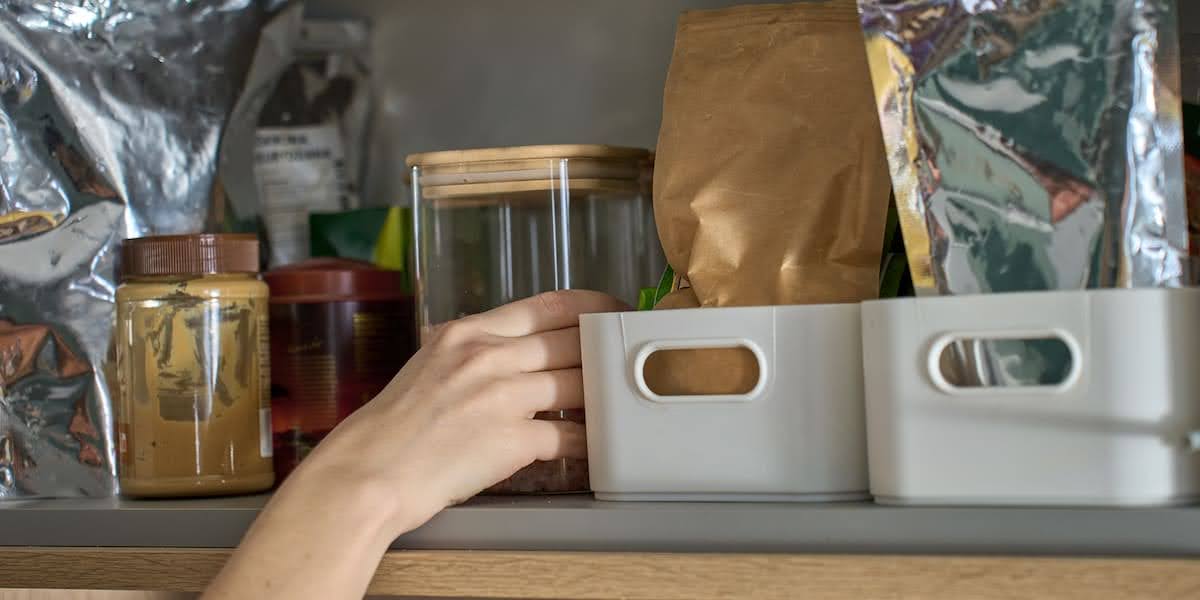
Let’s be honest—your pantry is probably a hot mess right now. You know the drill: you’re hunting for that can of tomatoes, pushing past three half-empty cereal boxes, and discovering a bag of flour that’s older than your last vacation. If you’re wondering how to organize a pantry that actually stays neat, you’re definitely not alone in this struggle.
Learning how to organize a pantry is one of those things we all know we should do, but it feels overwhelming. The good news? You can totally transform your pantry space in just one weekend. Whether you’ve got a huge walk-in pantry or just a tiny kitchen cabinet, mastering how to organize a pantry effectively will save you time, money, and a ton of frustration.
Why Getting Your Pantry Together Actually Matters
Think of your pantry as the control center of your kitchen. When it’s organized, everything else just flows better. You can actually find what you need, cooking becomes way less stressful, and you might even discover you’re a better cook than you thought (when you’re not spending half your time searching for ingredients).
Here’s what happens when your pantry is a disaster:
- You buy stuff you already have because you can’t see what’s hiding in there
- Food goes bad because it gets lost in the back
- Cooking takes forever because you’re constantly hunting for things
- You get stressed out every time you open those doors
Professional organizer Holly Blakey puts it perfectly: “Clean, calm surroundings create a calm mind.” Your pantry organization directly affects how your whole kitchen works and how your family feels about cooking.
Your Weekend Pantry Makeover Planma
Saturday Morning: The Big Cleanout
First things first—block out your whole Saturday morning for this project. Trust me, you’ll need the time. Organizing pros say it’s way better to do this all at once instead of trying to tackle it bit by bit over several weeks.
I know it sounds crazy, but you need to pull everything out of your pantry, and if this feels overwhelming, remember that getting started with decluttering is always the hardest part.
Step 1: Take Everything Out I know it sounds crazy, but you need to pull everything out of your pantry. Every. Single. Thing. Put it all on your kitchen counter or dining table. Yes, it’s going to look like a grocery store exploded in your kitchen. That’s totally normal.
Step 2: Give It a Good Scrub Now that your pantry is empty, give it a thorough cleaning. Wipe down all the shelves, check for sticky spots, and maybe even consider giving those shelves a fresh coat of paint if they need it.
Step 3: Toss the Expired Stuff This is the fun part (okay, maybe not fun, but satisfying). Check every expiration date and throw out anything that’s past its prime. Don’t even think about keeping that spice from 2019—just toss it. Your taste buds will thank you.
Saturday Afternoon: Sort It All Out
Now comes the part where you turn chaos into order. Kitchen pantry organization works best when you group similar things together. Here’s how to think about it:
| What Goes Where | Items | Best Spot |
| Breakfast Stuff | Cereal, oats, coffee | Eye level where you can grab it easily |
| Cooking Basics | Oils, spices, sauces | Middle shelves, grouped by what you use them for |
| Baking Zone | Flour, sugar, baking powder | All together in one area |
| Snack Central | Crackers, nuts, granola bars | Where kids can reach or in a special bin |
| Backup Items | Extra canned goods, big containers | Top shelves or floor storage |
While you’re sorting, you’ll probably find stuff you forgot you had. That’s normal—and actually pretty exciting when you rediscover that fancy vanilla extract you thought you lost.
Sunday: Setting Up Your New System
Morning: Measure and Plan
Sunday morning is all about figuring out what goes where. Measure your shelves and think about your sorted piles. This planning time helps you figure out what storage containers you need and where everything will live.
Where to Put Things:
- Eye level spots: Daily essentials like coffee and cereal
- Lower shelves: Heavy stuff and snacks for kids
- Top shelves: Things you don’t use very often
- Door space: Spices, small bottles, lightweight items
The Storage Solutions That Actually Work
You don’t need to buy a million fancy containers, but a few key pieces make a huge difference. Here are the ones that actually work in real life:
Clear Containers That Stack These are game-changers for things like pasta, rice, cereal, and flour. You can see what’s inside, and they stack neatly so you’re not wasting space. Square ones usually work better than round ones because they fit together more efficiently.
Lazy Susans for Corners These spinning trays are perfect for oils, vinegars, and sauces that might get lost in deep corners. Professional organizer Amy Bloomer calls them “one of the most fun and functional tools” for staying organized.
Bins and Baskets Great for snacks, onions, potatoes, and anything that doesn’t need a container. Kids can grab a snack without messing up your whole system.
Tiered Shelves These create levels on your shelves so you can see everything. Perfect for canned goods and spices.
You don’t need to buy a million fancy containers, but a few key pieces make a huge difference, and there are plenty more kitchen organization hacks that can help you maximize your entire kitchen space.

Smart Organization Tricks
Should You Transfer Everything to New Containers? Nope, not everything needs a new home. Focus on transferring:
- Things that might attract bugs (flour, sugar, cereal)
- Stuff in flimsy packages that rip easily
- Big bulk purchases that come in huge containers
Labels Are Your Friend Labels help everyone in your family know where things go. You don’t need anything fancy—even masking tape and a marker work fine. Label the containers and the shelf spaces so things stay organized.
The 80/20 Rule Put the 20% of stuff you use most often in the 80% of your best storage spots. This means your everyday items are always easy to reach.
Making Small Pantries Work Hard
Don’t have a huge pantry? No problem. Kitchen pantry organization actually works great in small spaces because it forces you to be smart about what you keep.
Don’t have a huge pantry? No problem – creative storage solutions for small spaces can help you maximize every inch of your compact pantry area.
Using Every Inch
Door Storage Those over-the-door organizers can hold tons of stuff—spices, oils, canned goods, snacks. It’s like finding hidden storage space you didn’t know you had.
Add More Shelves You can buy shelf risers that essentially double your storage space. They fit right on your existing shelves and create two levels instead of one.
Magnetic Spice Storage Magnetic spice containers can stick to your fridge or any metal surface, freeing up shelf space for bigger items.
Small Space Success Tips
- Shop with your space in mind: Don’t buy the giant economy size if you don’t have room to store it
- Use the floor: Big baskets on the floor work great for bulky items
- Think vertical: Use all the space from floor to ceiling
Don’t Make These Common Mistakes
Look, we’ve all been there. You see those gorgeous pantries on Pinterest with every single item in a matching glass jar, perfectly labeled, looking like a fancy grocery store. You think “I want that” and then spend a weekend and way too much money trying to recreate it. Three weeks later, your pantry is a mess again and you’re wondering what went wrong.
The truth is, most pantry organization fails happen because people make the same predictable mistakes. Let’s talk about the big ones so you can avoid them and actually create a system that works.
Trying to Make It Pinterest-Perfect
Those stunning pantries you see all over social media are absolutely gorgeous, but here’s the reality check: they’re not always practical for real families living real lives.
Why the Pinterest approach often fails:
- It takes way too much time to maintain
- Every family member has to be perfect all the time
- One person not following the system ruins the whole look
- It’s expensive to buy matching everything
- Real life is messier than photo shoots
What those perfect pantries don’t show you:
- How long it takes to transfer everything to matching containers
- What happens when you run out of the fancy containers
- How hard it is to find the right size container for every single item
- The daily maintenance required to keep it looking perfect
Questions people ask about Pinterest pantries:
Should I try to make my pantry look like the ones on Instagram? Only if you genuinely enjoy that level of organization and have the time to maintain it. Most families do better with systems that prioritize function over perfect appearance.
What if I like the way those organized pantries look? You can definitely borrow ideas and make your pantry look great. Just focus on organization systems first, then add the pretty touches that you can actually maintain.
How do those people keep everything so perfect? Many of those photos are styled just for the picture. Some people really do maintain that level of organization, but they often have more time, fewer family members using the space, or very specific habits that support that system.
A better approach:
- Start with function first, pretty second
- Choose a level of organization you can realistically maintain
- Focus on systems that work even when life gets busy
- Add beautiful touches gradually as your habits solidify
Buying Too Many Containers
This is probably the biggest mistake people make when learning how to organize a pantry. You get all excited about organizing, head to the store, and buy every container that looks useful. Then you get home and realize you have containers you don’t need and not enough of the ones you do need.
Why people over-buy containers:
- They think every single item needs its own special container
- Shopping for organizing supplies is fun and feels productive
- They buy containers before figuring out what they actually need
- They get caught up in the excitement of organizing
What you actually need to transfer to containers:
- Items that come in flimsy packaging (cereal boxes, pasta boxes, flour bags)
- Things that might attract bugs (flour, sugar, rice, oats)
- Bulk purchases that come in huge bags
- Items you buy frequently and want to see how much is left
What you can leave in original packaging:
- Canned goods (they’re already perfectly sealed)
- Items in sturdy glass jars
- Things with resealable packaging that works well
- Items you don’t use very often
- Products with important cooking instructions on the package
Common container-buying mistakes:
Buying containers before sorting your items Sort everything first, then figure out what containers you actually need. You might discover you don’t have as much stuff as you thought.
Getting all the same size containers You need a variety of sizes for different items. A huge container for a small amount of something is just wasted space.
Choosing containers that don’t fit your shelves Measure your shelf height, depth, and width before you buy. Nothing’s more frustrating than containers that don’t fit.
Buying containers that look good but don’t function well Pretty containers that don’t seal properly or are hard to open aren’t worth it.
Smart container shopping tips:
- Start with just a few containers for your most-used items
- Buy more as you figure out what you actually need
- Focus on getting the right size for each type of item
- Test one container from a set before buying the whole collection
Fighting Your Family’s Habits
This is where so many organization systems fall apart. You create this perfect system based on how you think your family should behave, but it goes against how they actually behave. Then you spend all your time being frustrated instead of enjoying your organized space.
Common habit-fighting mistakes:
Making snacks hard to access
If your family grabs snacks on the go, putting them in complicated containers or high shelves just creates mess and frustration.
Creating systems that are too complex
If it takes more than one step to put something away, busy family members probably won’t do it.
Not considering different heights
Kids can’t reach high shelves, so putting their stuff up there just means they’ll ask you to get it or make a mess trying to reach it themselves.
Ignoring how people actually cook
If someone always uses olive oil and salt together, store them near each other, not in separate “zones.”
How to work with your family’s habits instead of against them:
Families with young kids:
- Put kid snacks at their eye level
- Use open bins they can see into and reach into easily
- Accept that their area might not look as neat as the adult areas
- Make it easier to put things away correctly than to put them away wrong
For busy families:
- Keep frequently used items in the most accessible spots
- Use simple systems that don’t require much thinking
- Group items the way people actually use them, not by strict categories
- Make “good enough” organization acceptable
Families where everyone cooks:
- Put the most-used items where everyone can reach them
- Use labels so everyone knows where things go
- Create zones that make sense to all the cooks in your house
- Accept that different people might organize things slightly differently
Questions about working with family habits:
What if my family is just naturally messy? Focus on systems that contain the mess rather than eliminate it. Use bins and baskets that hide a little chaos while keeping things generally organized.
How do I get everyone to follow the new system? Make it easier to do the right thing than the wrong thing. If the new system is harder than the old way, people won’t stick with it.
What if different family members want different organization styles? Give each person a zone they can organize their way, but agree on shared areas. Maybe dad gets to organize the coffee area his way while mom organizes the baking zone hers.
Choosing the Wrong Containers
Not all containers are created equal, and choosing the wrong ones can make your whole organization system frustrating to use. Here’s how to pick containers that actually make your life easier.
The biggest container mistakes:
Containers you can’t see through Unless you have an amazing memory, you’ll forget what’s in opaque containers. Clear containers let you see what’s inside and how much is left.
Containers that don’t stack Round containers might look nice, but they waste space. Square and rectangular containers stack efficiently and fit together like puzzle pieces.
Lids that are hard to open If you need two hands or a lot of strength to open a container, you probably won’t use it consistently. Test lids before you buy a whole set.
Wrong sizes for your items A tiny container for something you use a lot means you’re constantly refilling it. A huge container for something you rarely use just wastes space.
Containers that don’t fit your space Measure your shelves before you buy. Containers that are too tall, too deep, or too wide for your space are useless.
What makes a good pantry container:
Easy to see what’s inside
- Clear sides so you can see contents and quantity
- Wide openings so you can see to the bottom
- Labels that are easy to read
Simple to use for everyone
- Lids that open easily with one hand
- Lightweight enough for kids and elderly family members
- Shapes that are easy to pour from
Efficient storage
- Stackable design that doesn’t waste space
- Square or rectangular shape for maximum storage
- Various sizes to match what you’re storing
Durable and practical
- Food-safe materials that won’t absorb odors
- Easy to clean by hand or in the dishwasher
- Airtight seals that keep food fresh
Material considerations:
Plastic containers:
- Pros: Lightweight, affordable, won’t break if dropped
- Cons: Can absorb odors over time, may discolor
- Best for: Kids’ items, bulk storage, things stored up high
Glass containers:
- Pros: Don’t absorb odors, look great, completely food-safe
- Cons: Heavy, can break, usually more expensive
- Best for: Items you use daily, display areas, acidic foods
Questions about choosing containers:
Should I buy a matching set or mix and match? Matching sets look great and often cost less per container, but make sure the sizes actually work for your items. Sometimes mixing different brands gives you better size options.
What’s the most important feature in a container? Being able to see what’s inside and how much is left. Everything else is secondary to visibility.
How many containers do I actually need? Start with containers for your most-used items that come in problematic packaging. You can always add more later as you figure out what works.
Should I spend a lot on expensive containers? Start with mid-range containers to see what sizes and styles you prefer. You can upgrade later if you find ones you really love.
Testing containers before committing:
- Buy one container from a set first to test it
- Check that lids seal properly and open easily
- Make sure they fit in your space with room to spare
- See if they’re comfortable for everyone in your family to use
The key to avoiding these mistakes is to remember that the best organization system is the one your family will actually use consistently. Perfect-looking systems that require constant maintenance usually fail, while simple systems that work with your family’s natural habits tend to succeed.
Keeping It Organized Long-Term
The secret to staying organized isn’t perfection—it’s creating systems that are easy to maintain.
Quick Daily Habits
- Put things back where they belong (this sounds obvious, but it’s the most important thing)
- Do a 5-minute tidy-up before grocery shopping
- Check for stuff that’s about to expire and use it up
Monthly Check-Ins
- See if your system is still working or needs tweaks
- Replace worn-out labels
- Adjust things as your family’s needs change
How Organization Saves You Money
Here’s the thing—getting organized actually puts money back in your pocket. When you can see what you have, you stop buying duplicates. When you know what’s about to expire, you actually use it instead of throwing it away.
Smart shopping with an organized pantry:
- Keep a list of what you usually buy
- Take a quick photo of your pantry before shopping
- Plan meals around what you already have
- Only buy in bulk if you really use that much
What’s Trending in Pantry Organization Right Now
People are moving away from boring white everything and adding warmer touches like wood shelves. Glass containers are becoming more popular than plastic ones. And there’s a big focus on storage that helps reduce food waste—containers that keep food fresher longer.
What the Pros Are Loving:
- Glass over plastic for health and environment
- Natural materials like bamboo and wood
- Storage that does double duty
- Systems that work with how we actually shop and cook
Ready to Get Your Pantry Together?
Learning how to organize a pantry is one of those weekend projects that keeps paying you back every single day. You’ll save time, reduce stress, and probably save money too. Plus, there’s something really satisfying about opening pantry doors and actually finding what you need.
Remember, the best pantry organization is whatever works for your family. Start with these basics, but don’t be afraid to change things up if something isn’t working. The key to successfully learning how to organize a pantry is creating systems that match your family’s real habits, not fighting against them.
Your weekend pantry project checklist:
- Block out a full weekend for this
- Sort everything into groups before buying containers
- Buy good-quality, clear containers that stack
- Label everything
- Make systems that work with how your family really lives
Want to take your pantry organization to the next level? Palm Beach Organized creates custom organization systems that work with your lifestyle and actually stay organized. Our team knows that luxury living means having systems that are both beautiful and practical.
For the organizing products our professional team uses in client homes, check out our curated selection at The Container Store. These are the tried-and-tested solutions that work in real homes throughout Palm Beach County. As a Container Store affiliate, Palm Beach Organized may receive a small commission if you buy something through the link.
Ready to transform your pantry from chaos to calm? Contact Palm Beach Organized today and let us help you create a kitchen that works as beautifully as it looks.

