
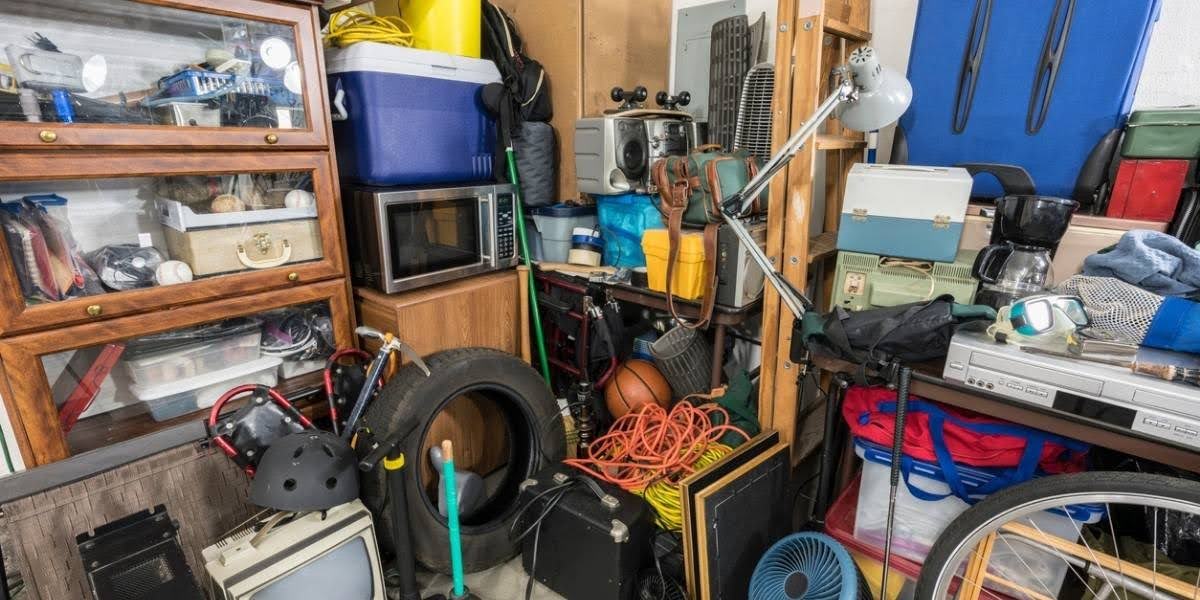
If you have ever bought bins, baskets, or shelves and still felt like your home is full, you are not alone. Many people struggle with the difference between storage vs organization, especially in larger homes where space is not the real problem.
It is easy to think that more storage will fix clutter. In reality, it often does the opposite. Storage hides clutter, while organization changes how your home works. When these two ideas get mixed up, even beautiful spaces can start to feel overwhelming.
For homeowners who want a calm, polished home, understanding storage vs organization is the first step toward creating a space that feels as good as it looks.
Understanding Storage vs Organization
The idea of storage vs organization sounds simple, but it is one of the biggest reasons people stay stuck in clutter. Many homeowners believe they have a storage problem when they really have an organization problem. That misunderstanding leads to overflowing closets, crowded cabinets, and rooms that still feel heavy even after new bins, baskets, or shelves are added.
At its core, the difference comes down to this: storage is about where things go, while organization is about why they belong there in the first place.
That distinction matters more than most people realize. When you understand it, you stop trying to fit too much into your home and start creating a space that feels easier to live in every day.
What Storage Does
Storage gives your belongings a place to sit. It is the physical space or container that holds your items. That can include:
- Bins and baskets
- Shelves and cabinets
- Closet systems
- Drawer dividers
- Storage benches
- Pantry containers
- Garage racks
- Decorative boxes
Storage is useful because it helps keep items contained. It can make a room look neater and can protect things from damage, dust, or getting lost. In the right setting, storage absolutely has value.
For example, holiday decor needs a place to be kept during the off-season. Extra guest linens need a home. Pantry staples need containers or shelves so they are easy to access. In these situations, storage supports daily life.
The problem is that storage does not reduce how much you own. It only holds it.
That means if you already have too many things, adding more storage often just gives those extra things a prettier place to pile up. You may feel relief for a short time because the clutter looks more contained. But if the volume of items has not changed, the stress usually returns.
This is why storage can be helpful without actually solving the problem.
What Organization Does
Organization goes much deeper. It focuses on how your home functions, how you use your belongings, and what truly deserves space in your home.
Organization includes:
- Deciding what to keep
- Removing what you do not use
- Grouping similar items together
- Creating simple systems
- Making items easy to find and easy to put away
- Matching spaces to your real routines
In other words, organization is not just about making things look nice. It is about making your home easier to live in.
An organized pantry is not just a pantry with matching containers. It is a pantry where you know what you have, where expired items are gone, where snacks are easy to reach, and where the system makes daily life simpler.
An organized closet is not just one with velvet hangers and shelf dividers. It is one that holds clothes you actually wear, where categories make sense, and where getting dressed feels calm instead of frustrating.
That is the real difference in storage vs organization. Storage contains. Organization creates order, purpose, and ease.
Why This Difference Matters So Much
Many people start with storage because it feels like the easiest fix. You go to a store, buy containers, label a few bins, and feel like progress is happening. Sometimes it even looks better right away.
But good organization does not start with products. It starts with decisions.
If you skip that step, you can end up with:
- Bins full of items you forgot you had
- Cabinets packed with things you do not use
- Drawers that are divided neatly but still overcrowded
- Closets with more systems than actual function
This is why understanding storage vs organization is so important. One supports your home after decisions have been made. The other is the decision-making process itself.
Without organization, storage becomes a holding area for delayed choices.
A Simple Way to Think About It
Here is an easy way to picture it:
- Storage asks: Where can I put this?
- Organization asks: Do I need this, and if so, where does it make the most sense to keep it?
That second question changes everything.
Instead of asking how to fit more into a drawer, you begin asking what deserves drawer space in the first place. Instead of buying more bins for the garage, you ask what still belongs in the garage. Instead of adding shelves to a closet, you ask which clothing, shoes, or accessories you actually use.
This is the shift that leads to lasting results.
Why More Storage Can Lead to More Clutter
At first, adding storage seems like the smart answer. If your home feels crowded, it makes sense to think that more shelves, more bins, or more cabinets will solve the problem. More space should mean less stress.
But in many homes, the opposite happens.
Instead of making life easier, extra storage can make clutter harder to notice, harder to manage, and harder to let go of. That is one reason so many people feel frustrated after buying organizers, baskets, or storage furniture. The home may look better for a short time, but it does not truly feel lighter.
The reason is simple: storage gives clutter a place to hide. It does not automatically reduce how much you own.
That is an important distinction. When people focus only on storing things, they often create a home that looks neat on the surface but still feels heavy underneath.
The Problem With Extra Space
When you add storage, you also expand your limit. Suddenly, there is more room to fill.
That can sound helpful, but it often changes your behavior in ways you do not notice right away. Instead of asking, “Do I still need this?” you start asking, “Where can I put this?”
That shift leads to more keeping and less editing.
It often shows up in small ways at first:
- Saving items “just in case”
- Holding onto duplicates because there is room
- Buying more containers without removing anything
- Filling empty shelves or bins simply because they are there
- Moving clutter from one space to another instead of letting it go
This is how clutter becomes more organized looking, but not actually reduced.
A new cabinet may hold serving pieces you never use. A larger closet may make it easier to keep clothes that no longer fit your style. Extra pantry containers may hold snacks, backup supplies, and random extras you forgot you already had.
The more space you create without first deciding what belongs, the easier it becomes to keep too much.
Why Extra Storage Feels So Productive
Part of the reason storage is so appealing is that it feels like progress. You buy something useful. You put things into categories. You make a room look cleaner. It gives quick visual results.
That can be satisfying, especially when life feels busy and clutter feels stressful.
But storage often solves the visible part of the problem, not the root of it.
The real issue is usually one of these:
- Too many items for the space
- No clear system for what belongs where
- Too many duplicates
- Items being kept out of guilt, habit, or delay
- Spaces being asked to hold more than they should
If those issues stay the same, extra storage only gives them a more polished appearance.
More Storage Can Lower Visibility
One of the biggest reasons storage can lead to more clutter is that it hides what you own.
When things are tucked into bins, stacked in opaque containers, or pushed to the back of deep cabinets, they are no longer easy to see. Once items disappear from view, they often disappear from memory too.
That can lead to a cycle like this:
You put items away in storage.
You forget they are there.
You buy another version because you think you need it.
Now you own more than before.
Then you need even more storage.
This happens all the time with:
- Toiletries and cleaning supplies
- Pantry staples
- Office supplies
- Holiday decor
- Children’s items
- Gift wrap and entertaining pieces
- Clothing basics like white T-shirts, black leggings, or sandals
When visibility drops, duplicates rise. That means your storage system may actually be creating more clutter over time.
Empty Space Tends to Get Filled
Most people do not leave storage empty for long.
A blank shelf, an unused drawer, or an empty basket often feels like space that should be used. This is a very normal reaction. People like to feel that space is being put to good use.
But not every open space needs to be filled.
In fact, some empty space is a sign that a home is functioning well. It leaves room for:
- New purchases that are intentional
- Daily life to move more easily
- Items to be put away without crowding
- Systems that are easier to maintain
When every inch of storage is full, your home loses breathing room. That is when clutter starts to return quickly, even if the space still looks organized at first glance.
Looks Organized, Feels Cluttered
This is one of the most frustrating parts of clutter. A home can look neat and still feel stressful.
You may have:
- A labeled bin full of items you never use
- A beautiful closet that is too full to function
- A pantry with matching containers that still feels crowded
- Drawers with dividers that are packed too tightly
- Cabinets that close, but barely
From the outside, everything seems under control. But in daily life, the space still feels difficult.
Why? Because visual order is not the same as functional order.
A system is not working just because it looks pretty. It is working when:
- You can find things quickly
- You can put them away easily
- You know what you have
- You are not keeping more than the space can comfortably hold
- The system still works during a busy week
True organization is about ease, not just appearance.
The Difference Between Contained Clutter and Real Organization
Contained clutter is still clutter.
That may sound harsh, but it is an important truth for anyone trying to create a calmer home.
Contained clutter means:
- The items are grouped
- The shelves look cleaner
- The drawers may be divided
- The bins may be labeled
But the volume is still too high, the items are still not being used, and the space still feels hard to manage.
Real organization is different. It starts before storage products come in. It asks:
- Do I need this?
- Do I use this?
- Does this belong in this room?
- How much space should this category have?
- Can I maintain this system easily?
That is the point where a home starts to feel lighter.
The Psychology Behind Storage and Clutter
Clutter is not just about stuff. It is also about behavior.
Why People Add Storage
Storage feels productive. It gives you quick results. It also feels responsible.
Many people think:
- “I just need a better system”
- “I need more space”
- “Once I organize this, it will be fine”
But without editing first, storage delays decisions.
The Illusion of Control
Storage makes it seem like everything has a place. But if those spaces are filled with items you do not need, the system will not last.
This is where storage vs organization becomes clear. Organization requires choices. Storage avoids them.
Storage Solutions for Clutter: What Works and What Does Not
When Storage Solutions for Clutter Help
There are times when storage solutions for clutter are useful. They can:
- Keep daily items in place
- Protect seasonal items
- Support simple systems
For example, a well-organized closet with the right storage can make getting dressed easy.
When Storage Solutions for Clutter Create Problems
Problems happen when storage is used without a plan.
This can lead to:
- Overcrowded spaces
- Trouble finding items
- More stress over time
In many cases, the issue is not space. It is too many items.
The Real Cost of Too Much Storage
Clutter affects more than your space.
Time Lost
People spend hours each year looking for things they cannot find.
Money Spent
Extra storage can lead to:
- Buying items you already own
- Spending money on containers you do not need
- Paying for off-site storage
Mental Stress
A full home can feel heavy, even if it looks tidy. This is common for homeowners who want a calm, beautiful space.
Storage vs Organization in Luxury Homes
When people think about clutter, they often picture small spaces packed with too much stuff. But clutter can be just as common in large, beautiful homes. In fact, it can be harder to notice.
That is what makes storage vs organization so important in luxury homes. The issue is not always a lack of space. Many times, the issue is that the space is being used without a clear system.
A large home can hide clutter very well. Extra closets, built-ins, guest rooms, garages, and custom cabinetry can make it easy to move things out of sight. On the surface, everything may look polished. But behind closed doors, the home may still feel hard to manage.
This is why luxury homeowners often need more than storage. They need organization that matches the way they actually live.
Why Clutter Looks Different in Large Homes
In a smaller home, clutter becomes obvious quickly. Counters fill up. Closets overflow. Rooms start to feel tight. In a larger home, clutter can spread out instead.
That means the warning signs are not always clear right away.
Instead of seeing visible mess everywhere, you may notice things like:
- closets that are packed but still feel incomplete
- guest rooms being used to hold overflow items
- pantries with too many duplicates
- garages that hold years of unused belongings
- extra cabinets filled with items no one can easily find
- storage rooms full of things that were “put away for now”
Because there is more room to work with, clutter can stay hidden for a long time. That hidden clutter still affects daily life. It can make routines slower, cause frustration, and create a low level of stress that is hard to explain.
This is one reason storage vs organization matters so much in a luxury setting. A home can look calm while still feeling complicated behind the scenes.
Unique Challenges in Luxury Homes
Luxury homeowners often deal with a very specific kind of clutter. It is not always random or careless. In many cases, it builds up because life is full, homes are large, and valuable items are harder to sort through.
Here are some of the most common challenges.
Larger Spaces Can Hide More Clutter
A bigger home gives clutter more places to go.
In a large home, it is easy to move items from one space to another instead of making decisions. You may shift things from the mudroom to the garage, from the closet to the guest room, or from the kitchen to a back cabinet. The home still looks neat, but the volume of items keeps growing.
This creates a false sense of control. Because clutter is out of sight, it may not feel urgent. But over time, hidden clutter makes the home harder to use.
For example:
- You may forget what you already own
- You may buy duplicates because items are hard to find
- You may avoid certain spaces because they feel overwhelming
- Staff or family members may not know where things belong
The larger the home, the easier it is for clutter to stay unresolved.
High-End Items Are Harder to Part With
Luxury homes often contain beautiful, expensive, or sentimental pieces. That can make editing much harder.
People may hold onto items because:
- they were expensive
- they are designer or custom-made
- they were given as gifts
- they might be useful for entertaining
- they feel tied to a past lifestyle or season of life
This is understandable. Letting go of a high-value item can feel very different from letting go of something ordinary. Even when an item is not being used, it can still feel important.
That is where organization becomes more valuable than storage. Storage asks where the item can go. Organization asks whether the item still supports the life you live now.
That question is often the key to making a luxury home feel lighter and more intentional.
Busy Schedules Leave Little Time for Organizing
Many luxury homeowners have full calendars. They may be managing businesses, family responsibilities, travel, social commitments, staff, and multiple properties. Even when they know their home needs attention, they may not have the time or mental energy to create systems on their own.
This often leads to delayed decisions.
Items get placed somewhere “for now.” Purchases are brought in quickly but not given a proper home. Seasonal changes happen fast, and spaces become layered with things from different times of year.
Without a clear plan, clutter builds quietly.
This is another reason the conversation around storage vs organization matters. Storage can hold the overflow for a while. Organization is what creates a home that continues to work even during a busy season.
Why Storage Alone Falls Short
Storage has a role in every home, including luxury homes. Cabinets, bins, shelves, drawer inserts, and custom closets can all be useful. But storage alone is not enough.
That is because storage is static. Real life is not.
A storage system may look beautiful on installation day, but if it does not match the rhythm of the household, it will not last. A home needs systems that work during real mornings, real weekends, real events, and real travel schedules.
This is where storage often falls short.
Storage Does Not Account for Travel Schedules
Many luxury homeowners travel often, sometimes with very little notice. That affects how a home needs to function.
Travel creates unique needs, such as:
- quick access to luggage and travel accessories
- easy packing and unpacking routines
- clear storage for seasonal wardrobes
- simple systems for toiletries, chargers, and important documents
A generic storage system does not solve these needs on its own. If travel items are stored in several places, packed away too deeply, or mixed with things that are rarely used, even a large home can feel inconvenient.
Organization solves this by creating zones and routines that match the way the homeowner moves through the home.
Storage Does Not Account for Hosting Guests
Luxury homes are often designed for entertaining. That means the home may need to support dinner parties, weekend guests, holidays, and special events.
This creates categories that can grow quickly:
- serveware
- linens
- seasonal decor
- guest toiletries
- extra seating accessories
- catering supplies
- barware and entertaining pieces
Without organization, these items tend to spread across closets, sideboards, kitchen cabinets, and storage rooms. Even if everything is technically stored, it may still be hard to pull together what you need when guests arrive.
An organized home makes hosting easier because it keeps entertaining items edited, grouped, and easy to access. The goal is not simply to store them. The goal is to support effortless hospitality.
Storage Does Not Account for Managing Staff
In many luxury homes, household staff may be involved in cleaning, laundry, meal prep, or day-to-day upkeep. That changes what an effective system needs to do.
A space should not only make sense to the homeowner. It should also make sense to the people helping run the home.
If items are tucked away in beautiful but unclear systems, staff may struggle to maintain them. This can lead to:
- items being returned to the wrong places
- overbuying because inventory is unclear
- clutter collecting in “temporary” zones
- frustration when routines depend on guesswork
Organization creates clarity that can be shared. It makes homes easier for everyone to maintain, not just the person who designed the shelves.
Real Organization Must Match Real Life
This is the heart of storage vs organization in luxury homes: organization must match how the home is actually used.
A beautiful storage system is not enough if it does not support daily habits.
Real organization looks at questions like:
- Which spaces are used every day?
- What routines happen in this part of the home?
- Who needs access to these items?
- How often are these things used?
- What should be visible, and what should be tucked away?
- What is being kept out of habit rather than purpose?
These questions lead to systems that feel natural, not forced.
For example:
- A primary closet should support daily dressing, travel, and seasonal changes
- A pantry should support both family routines and entertaining needs
- A mudroom should reflect how people actually come and go
- A garage should be divided by use, not just by available shelf space
When organization is based on real habits, the home becomes easier to maintain.
What Real Organization Looks Like
Organization is about creating ease.
Simple Principles
- Keep what you use and love
- Make items easy to reach
- Leave space for flexibility
- Build systems that fit your routine
Why Decluttering Comes First
Before adding storage, you must remove what you do not need.
This includes:
- Letting go of duplicates
- Removing unused items
- Keeping only what fits your life
Once this step is done, storage becomes simple.
Storage vs Organization: A Better Way
A clear process makes all the difference.
Step-by-Step Approach
- Decide how the space should work
- Remove items you do not need
- Group similar items together
- Add storage only if needed
A Real-Life Example
Think about a pantry.
A storage-first approach might include:
- Matching containers
- Extra shelves
- Decorative bins
It looks nice but still feels full.
An organization-first approach would:
- Remove expired food
- Combine duplicates
- Group items by use
Then add storage. The result feels simple and easy to use.
Frequently Asked Questions About Storage vs Organization
What is storage vs organization?
Storage vs organization means the difference between holding items and creating systems that make your home easier to use.
Why do storage solutions create clutter?
They allow you to keep more without removing anything.
Are storage solutions for clutter helpful?
Yes, storage solutions for clutter work when they support a clear system.
How do I know what I need?
If your home feels full, you likely need organization, not more storage.
What should I do first?
Start by removing items you do not use.
How often should I organize?
Check your spaces every few months to keep things simple.
Final Thoughts on Storage vs Organization
Understanding storage vs organization can change how your home feels. Storage alone cannot fix clutter. Organization creates lasting clarity.
When you focus on what you truly need, your home becomes easier to maintain and more enjoyable to live in.
If you are ready to create a home that feels calm and effortless, explore our professional organizing services or contact us for more information.