
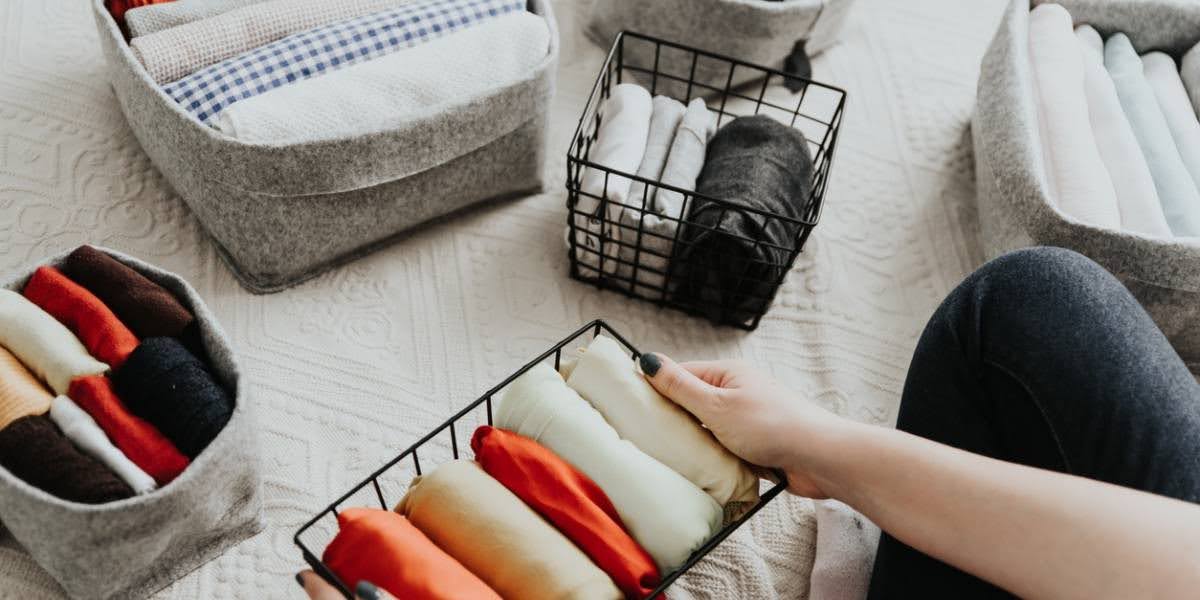
When it comes to creating a home that feels calm and put together, many people use the same words to describe very different tasks. Yet organizing vs decluttering are not the same, and neither is cleaning. Understanding how they differ is the first step toward a home that looks beautiful and works with your daily life.
If you have ever cleaned a space only to see clutter return a few days later, you are not alone. The problem is usually not effort. It is the approach. Each process, organizing, decluttering, and cleaning, has its own role. When you use them in the right order, your home begins to feel easier to manage and more enjoyable to live in.
What Is the Difference Between Organizing vs Decluttering vs Cleaning?
At first glance, these three words can seem almost identical. Many people say they need to “clean up” when what they really mean is that their home feels crowded, hard to manage, or visually busy. That is exactly why it helps to understand the difference.
When you know whether a space needs decluttering, organizing, or cleaning, you can solve the real problem instead of spending time on the wrong task. This is one of the biggest reasons people feel stuck. They clean a room that still feels chaotic. They organize items they do not even need. Or they declutter a space but never create a system to keep it that way.
Let’s break it down clearly.
- Decluttering is removing what you no longer need
- Organizing is arranging what you keep
- Cleaning is taking care of the space itself
Think of it this way. Decluttering creates space. Organizing gives that space purpose. Cleaning keeps everything looking fresh.
Why This Difference Matters
Understanding these terms can save you time, energy, and frustration. If you try to organize before decluttering, you may spend hours creating neat piles or buying bins for items that do not belong in your home anymore. If you clean before dealing with clutter, surfaces may look better for a day, but the room will still feel stressful and crowded.
Each process solves a different problem:
- Decluttering solves excess
- Organizing solves disorder
- Cleaning solves dirt, dust, and buildup
When you know which problem you are dealing with, you can choose the right solution.
What Is Decluttering?
Decluttering is the process of removing items that no longer serve a purpose in your life. These may be things you no longer use, no longer need, or no longer want in your home.
This is often the most emotional part of the process because it involves decisions. You are not just moving items around. You are choosing what belongs in your space and what does not.
What Decluttering Looks Like in Real Life
Decluttering might include:
- Donating clothes you have not worn in years
- Throwing away expired pantry items
- Letting go of duplicate kitchen tools
- Recycling old paperwork you no longer need
- Removing broken, outdated, or unused décor
The goal is not to make your home empty. The goal is to make room for what truly fits your current life..
How do I know what to get rid of?
- Do I use this?
- Do I need this?
- Do I love this?
- Would I buy this again today?
If the answer is no to all four, it may be time to let it go.
Why is decluttering so hard?
Decluttering can feel difficult because many items carry memories, guilt, or “just in case” thinking. People often keep things because they spent money on them, received them as gifts, or think they may use them one day. That is normal. The key is to focus on what supports your life now, not what once did or what might someday.
What Is Organizing?
Once you have removed what you no longer need, organizing is the next step. Organizing means arranging the items you are keeping so they are easy to find, easy to put away, and easy to use.
In simple terms, organizing is about creating order.
What Organizing Looks Like in Real Life
Organizing might include:
- Grouping baking tools together in one kitchen drawer
- Hanging clothing by category in a closet
- Using bins to separate snacks in a pantry
- Storing office supplies by type
- Keeping everyday items within easy reach
A well-organized home makes daily life smoother. You spend less time searching for things, less time cleaning around piles, and less time feeling overwhelmed by visual clutter.
Why People Mix Them Up
It is very common to start with cleaning or organizing before decluttering. This often leads to frustration. You may feel like you are working hard but not getting lasting results.
A study from the National Association of Productivity and Organizing Professionals found that more than half of homeowners feel overwhelmed by clutter. Many try to solve it by cleaning. The issue is that cleaning does not remove clutter. It only improves how things look for a short time.
Organizing vs Decluttering: Why the Order Matters
When people think about improving their home, they often jump straight into storage bins, labels, and cleaning products. It feels productive. It looks like progress. But when it comes to organizing vs decluttering, the order matters more than most people realize.
Decluttering should come first. Organizing should come second. Cleaning should come last.
That order works because each step builds on the one before it. If you skip ahead, you usually create more work for yourself. You may end up organizing things you do not need, buying storage for items that should have left the house, or cleaning around clutter that still makes the room feel stressful.
A simple way to think about it is this:
- Decluttering reduces what you own
- Organizing arranges what remains
- Cleaning maintains the finished space
When you follow that order, your home becomes easier to use, easier to maintain, and much more peaceful to live in.
Why the Order of Organizing vs Decluttering Matters
When people think about improving their home, they often start with the part that seems easiest or most satisfying. They buy bins, fold items neatly, label shelves, or move things into matching containers. It feels productive, and it can look better right away. But when it comes to organizing vs decluttering, looking better is not the same as working better.
The order matters because organizing is not meant to hold excess. It is meant to support what truly belongs in your home. If you organize before you declutter, you are building systems around items you may not even want, need, or use. That creates more work, not less. It also explains why so many organizing projects look good for a short time but fall apart quickly.
The real goal is not just a neat-looking space. The goal is a space that is easy to use, easy to maintain, and aligned with how you actually live. That is why decluttering has to come first.
Organizing Cannot Fix Too Much Stuff
This is the most important idea to understand. Organizing is about order. Decluttering is about volume.
If you have too many things in a space, organizing will not solve the main problem. It may hide the problem for a little while, but it will not remove it. A drawer can be neatly divided and still be too full to open comfortably. A closet can be arranged by color and still feel crowded every morning. A pantry can look tidy and still make cooking stressful if it is packed with expired food, duplicates, and items no one uses.
That is why people often say, “I organized everything, but it still feels overwhelming.” In many cases, what they actually did was sort and store excess. They created order around clutter instead of reducing it first.
Decluttering changes that. It reduces the number of items in the space, which gives organizing room to work. Once you remove what does not belong, organizing becomes simpler, faster, and much more effective.
Decluttering First Helps You See What You Actually Have
One of the biggest reasons decluttering should come first is that most people do not fully realize how much they own until they begin editing it. Things get spread across drawers, cabinets, closets, baskets, and spare rooms. Over time, it becomes hard to see the full picture.
When you declutter first, you get clarity.
You start to notice patterns such as:
- You have five similar black cardigans but wear only two
- You bought more pantry staples before using what you already had
- You are storing beauty products that expired months ago
- You have extra chargers, scissors, notebooks, or candles in several different places
This awareness matters because good organizing depends on knowing exactly what needs a home. If you skip decluttering, you are organizing in the dark. You may set aside too much space for things you do not use, and not enough space for the items you reach for every day.
Once you declutter first, you can see what remains clearly. Then you can organize around your real needs, not your accumulated clutter.
Organizing Before Decluttering Often Creates Temporary Results
A space can look organized for a short time and still not function well. That is one of the most common problems people run into.
Imagine a pantry filled with expired food, duplicate snacks, paper goods from bulk shopping trips, and serving pieces stored there just because there was nowhere else to put them. If you organize it first, you might line up boxes, decant dry goods, and create neat rows on the shelves. It may look polished for a day or two. But if the pantry is still holding too much, the system will not last.
Soon, you run into the same problems:
- Shelves become crowded again
- New groceries do not fit
- Items get pushed to the back and forgotten
- Family members stop following the setup because it feels too tight or confusing
The problem was never a lack of order. The problem was that the space was being asked to hold more than it should.
This is why organizing without decluttering often gives temporary results. It improves appearance without solving the deeper issue. Decluttering first creates the breathing room that allows organizing to work long term.
Decluttering First Saves Time, Money, and Energy
At first, organizing may seem like the faster route. But in reality, skipping decluttering usually creates extra work.
If you organize before decluttering, you may spend time:
- Sorting items that you later decide to donate
- Folding and storing clothes you do not wear
- Buying containers for things you do not need to keep
- Labeling categories that are too full to maintain
- Repeating the whole project a few weeks later when the space stops working again
Decluttering first prevents that wasted effort. It helps you work smarter because you are only spending time on what is staying.
It can also save money. Many people buy storage products too early because they assume the answer is more containers. But often, the issue is not a lack of storage. It is too much stuff. Once you declutter, you may find that you need fewer bins, fewer baskets, and fewer organizing products than you thought.
This makes the process more efficient and more intentional.
Why Decluttering Makes Organizing More Effective
Once clutter is reduced, organizing becomes much easier for a very simple reason: you are working with the right amount.
Now you can answer practical questions clearly:
- How much space do these items really need?
- Which things should stay within easy reach?
- Which items belong together?
- What can be stored elsewhere?
- What kind of system would make daily life easier?
This is where organizing becomes powerful. It is no longer about fitting too much into one space. It is about creating a structure for the items that matter.
That usually leads to better results because:
- Drawers can open and close easily
- Shelves feel spacious instead of packed
- Categories are clearer
- Items are easier to find
- Family members can maintain the system more easily
In other words, decluttering gives organizing a fair chance to succeed.
The Emotional Side of the Right Order
There is also an emotional reason the order matters. Decluttering and organizing ask different things of you.
Decluttering asks you to make decisions. It asks you to be honest about what fits your current life. That can feel difficult, especially when items hold memories, guilt, or good intentions.
Organizing asks you to create structure. It is more about planning and placement.
If you skip the decision-making step and go straight to organizing, the emotional weight does not go away. It just gets hidden inside a prettier system. You still feel the pressure of excess, even if it is now in labeled bins.
That is why a space can look neat and still feel heavy.
Decluttering first helps remove that emotional pressure. It gives you the relief of letting go before you begin arranging what remains. Then organizing feels calmer, clearer, and more purposeful.
A Simple Example: Closet Organization
A closet is one of the best examples of why the order matters.
Let’s say your closet feels crowded and stressful. You cannot find what you want easily, and getting dressed takes longer than it should.
If you organize first, you might:
- Buy matching hangers
- Arrange clothing by color
- Add bins for accessories
- Fold sweaters neatly on shelves
That can improve the look of the closet, but if it still contains clothes that do not fit, items you never wear, duplicates, and old purchases you forgot about, it will continue to feel crowded.
Now imagine decluttering first.
You remove pieces that no longer fit your body, your taste, or your lifestyle. You let go of items that are worn out, rarely used, or no longer make sense. Suddenly, the closet has space. You can actually see what you own.
Only then do you organize:
- Everyday clothing goes in the easiest-to-reach zones
- Similar items are grouped together
- Shoes and handbags are placed where they are easy to access
- Seasonal pieces are stored separately
Now the closet is not just prettier. It works better.
The Right Sequence Supports Daily Life
That is the real purpose of this process. A home should support your daily life, not make it harder.
When you declutter first and organize second, your systems are built around real habits and real needs. That makes everyday tasks easier.
You may notice that:
- Getting ready in the morning takes less time
- Grocery shopping becomes easier because you know what you have
- Laundry is simpler to put away
- Children or household staff can follow the setup more easily
- Surfaces stay clearer with less effort
These small improvements add up. They reduce friction in daily routines, which is one of the biggest benefits of understanding organizing vs decluttering in the right order.
Decluttering First: Letting Go of What You Do Not Need
Decluttering is always the first step because it clears the path for everything else.
At its core, decluttering is decision-making. You are choosing what still fits your life and what no longer belongs in your home. That may sound simple, but it can take time because it involves habits, emotions, and sometimes identity.
What Decluttering Really Means
Decluttering is not about getting rid of everything. It is not about living with the bare minimum. It is about editing your space so it reflects how you live now.
That could mean:
- Removing items you no longer use
- Letting go of things that no longer fit your lifestyle
- Cutting down on duplicates
- Releasing broken, outdated, or unnecessary items
- Making more room for what matters
For many people, clutter builds slowly. A few extra items in a drawer. A few purchases that never found a real home. A few things saved for later that were never used again. Over time, those layers start to affect how a room feels and functions.
Decluttering removes that buildup.
Why Decluttering Feels Emotional
This step can be the hardest because clutter is not always just clutter. Sometimes it is guilt. Sometimes it is memory. Sometimes it is the hope that you will use something someday.
You may hold onto items because:
- You spent money on them
- They were gifts
- They remind you of a different season of life
- You feel wasteful getting rid of them
- You think you might need them later
Those feelings are normal. But keeping too many things often creates a different kind of cost. It takes up space, adds stress, and makes your home harder to manage.
Once you let go of what you do not need, the space begins to feel lighter. You are no longer trying to control overflow. You are working with what truly belongs.
Organizing Second: Giving Everything a Place
Once you have decluttered, organizing becomes far more effective. Now you are working with the items that support your daily life, not everything you have collected over the years.
Organizing is the process of arranging what remains in a way that feels simple, logical, and easy to maintain.
What Organizing Actually Does
Organizing answers questions like:
- Where should this live?
- How often do I use it?
- What should stay within easy reach?
- Which items belong together?
- How can this space work better for my routine?
This step is about structure. It turns open space into usable space. It gives your belongings a home so you are not always moving things around, searching for what you need, or leaving items out because there is no clear place to put them.
What Good Organizing Looks Like
After decluttering, organizing usually includes:
- Grouping similar items together
- Keeping daily-use items easy to access
- Storing seasonal or rarely used items elsewhere
- Creating clear zones in drawers, shelves, and cabinets
- Setting up systems that make sense for real life
A well-organized space should feel natural. You should not have to think too hard about where something goes. The right system feels obvious.
For example, in a bathroom, organizing might mean keeping daily skincare in one tray, extra products under the sink, and travel items in a separate bin. In a closet, it might mean sorting clothing by type, with frequently worn pieces placed front and center.
Why Organizing Before Decluttering Often Fails
Many people start here because organizing feels exciting. There are containers, labels, and visible results. But when organizing comes before decluttering, the system usually breaks down fast.
Here is why:
- You may create space for things you do not need
- You often buy storage before knowing what the space requires
- Drawers and shelves stay too full
- The room may look neat, but it still feels heavy
- It becomes harder to maintain over time
This is one of the most common mistakes people make with organizing vs decluttering. They treat organizing as the solution to clutter, when in reality, organizing only works well after clutter has been reduced.
The Difference Between Decluttering and Organizing
What Sets Them Apart
The difference between decluttering and organizing comes down to two things: decisions and systems.
Decluttering is about deciding what stays and what goes.
Organizing is about deciding where things belong.
Both are important, but they serve different purposes.
A Simple Example
Think about your closet.
- Decluttering means removing clothes you no longer wear
- Organizing means arranging the clothes you keep
If you skip decluttering, your closet may look neat at first, but it will still feel crowded.
Why You Need Both
Many people try to organize without decluttering because it feels easier. The result usually does not last.
Real change happens when you take the time to do both steps properly.
Organizing vs Decluttering in Larger Homes
In larger homes, clutter can be harder to notice at first. There is more space, which can make it easier for things to build up over time.
Common Challenges
- Items spread across multiple rooms
- Seasonal belongings that pile up
- Spaces that look neat but lack structure
As described in your ideal client profile, many homeowners value beauty but struggle to keep every area consistent.
Why Systems Matter
More space does not solve clutter. In fact, it can hide it.
Simple systems:
- Make daily life easier
- Reduce stress
- Keep your home looking polished without constant effort
A Simple Process for Organizing vs Decluttering
Step 1: Start with Decluttering
Focus on removing what you do not need.
- Let go of items you have not used in a year
- Remove duplicates
- Be honest about what fits your life today
Step 2: Group Similar Items
Bring like items together.
- Kitchen tools by use
- Clothing by type
- Office supplies by category
This helps you see what you have.
Step 3: Organize with Purpose
Now decide where things should go.
- Keep daily items easy to reach
- Store rarely used items separately
- Use storage that fits your space and style
Step 4: Maintain with Cleaning
Once everything has a place, cleaning becomes simple.
- Quick daily resets
- Weekly touch-ups
- Occasional deep cleaning
How to Decide What to Keep
Decluttering can feel overwhelming. Asking a few simple questions can help.
- Do I use this regularly?
- Would I buy this again today?
- Does this add value to my life?
If the answer is no, it may be time to let it go.
The Role of Style in Organizing
In a well-designed home, function and beauty go together.
Thoughtful organizing includes:
- Clean, open spaces
- Matching containers or finishes
- A sense of balance and calm
The goal is to create a home that feels both useful and beautiful.
Organizing vs Decluttering: Long-Term Benefits
When you approach your home with the right method, the results go beyond appearance.
- Less daily stress
- More time saved
- Easier routines
- A stronger sense of control
Many people feel a sense of relief once their home is in order.
When to Consider Professional Help
For many homeowners, time is limited. That is where professional support can help.
Professional organizing services offer:
- A clear plan
- Efficient execution
- Systems that are easy to maintain
Clients often look for privacy, trust, and results that feel effortless.
Frequently Asked Questions About Organizing vs Decluttering
What is organizing vs decluttering?
Organizing vs decluttering refers to two different steps. Decluttering removes what you do not need. Organizing arranges what you keep so your space works better.
Why should you declutter before organizing?
Decluttering reduces how much you have. This makes organizing simpler and more effective. Without decluttering, systems often fail.
How often should you declutter?
Most homes benefit from decluttering every few months. This helps keep things from building up again.
Can cleaning replace decluttering?
Cleaning improves how your home looks, but it does not remove clutter. Both are needed, but they serve different purposes.
What is the difference between decluttering and organizing?
The difference between decluttering and organizing is simple. Decluttering is about what you keep. Organizing is about where you put it.
How long does organizing take?
It depends on the size of your space. A single room may take a few hours. A full home may take several days or longer.
Organizing vs Decluttering: Create a Home That Feels Effortless
Understanding organizing vs decluttering changes how you care for your home. Instead of constantly reacting to mess, you begin to create a space that supports your life.
Start by removing what you do not need. Then organize what remains in a way that feels natural. Maintain it with simple cleaning habits.
If you are ready for a home that feels calm, beautiful, and easy to manage, contact us to learn more about our professional organizing services.