
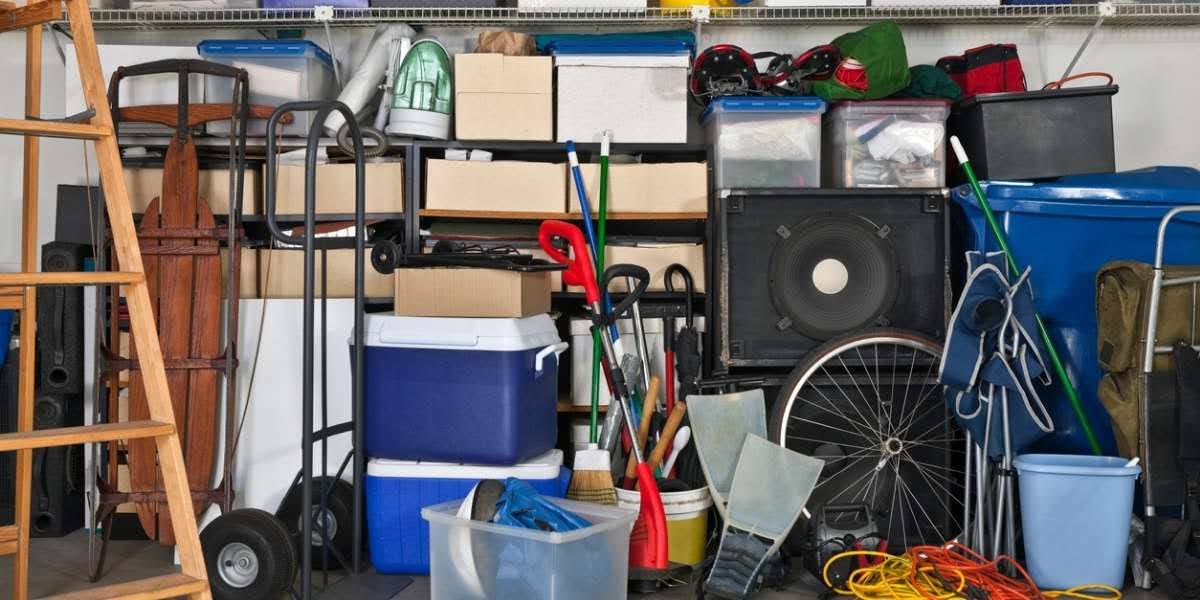
If you’ve ever told yourself, “I just need to get more motivated to get organized,” you’re definitely not alone. A lot of people believe that if they just had more energy or discipline, their home would stay clean and organized.
But here’s the truth: motivation is not the real problem.
Most people want to be organized. You feel motivated when you buy storage bins, start cleaning out a closet, or decide it’s finally time to get your home in order. But even with that motivation, the results often don’t last.
So what’s actually going wrong?
It comes down to your organizing habits, not your motivation. Once you understand this, everything starts to make a lot more sense.
Why Organization Fails (It’s Not About Motivation)
A lot of people think the reason their home keeps getting messy is simple: they are not motivated enough. They may tell themselves they need more discipline, more energy, or a better attitude. But in most cases, that is not the real problem.
The truth is, many people are already motivated. They want a calmer home. They want less stress. They want to stop wasting time looking for things. They want their space to feel clean, welcoming, and easier to manage. The problem is not that they do not care. The problem is that the system they are trying to use does not fit the way they actually live.
That is a big reason why organization fails.
A home can look organized for a day or two after a major cleaning session. But if the setup is too hard to maintain, clutter starts coming back. This is why motivation alone is not enough. Motivation may help you get started, but it usually does not create lasting change. Long-term results come from simple routines and realistic organizing habits that work in real life.
Why do people lose progress so quickly?
This is one of the most common questions people have. They may spend hours cleaning out a closet, folding everything neatly, or buying new storage products, only to feel frustrated a week later when things are messy again.
Usually, it happens for one of these reasons:
- The system is too complicated
- There is no clear home for daily-use items
- The setup looks nice but does not fit the person’s routine
- There is simply too much stuff in the space
- Decision-making becomes tiring and overwhelming
When these problems are present, even a motivated person will struggle to keep things organized.
The system is too complicated to keep up with
This is one of the biggest hidden problems in home organization. Sometimes people create systems that require too many steps. Maybe every item has to be folded a certain way, stacked in matching bins, or sorted into very specific categories. It may look great at first, but it can be hard to keep up with every day.
If putting something away feels like work, people are less likely to do it.
For example, if your pantry system only works when every snack is removed from its original packaging and placed into matching containers, that system may be hard to maintain during a busy week. The same goes for closets, kitchens, and bathrooms. If the system asks too much of you, it usually will not last.
Simple systems tend to work better because they are easier to repeat. And when something is easy to repeat, it turns into one of your regular organizing habits.
There is no clear place for everyday items
Another major reason why organization fails is that common, everyday items often do not have a true home. If you are always asking yourself where something should go, that item will probably end up on a counter, table, chair, or floor.
Think about the things you use all the time:
- Keys
- Shoes
- Bags
- Chargers
- Jackets
- Paperwork
If these items do not have an obvious place, clutter builds fast. It is not because you are lazy. It is because your home is missing a practical system.
A helpful organizing setup should answer this question clearly: “Where does this go when I am done with it?” If the answer is not easy, the system needs work.
The space does not match your real routine
A lot of people try to organize based on how they think they should live instead of how they actually live. That is where frustration starts.
Maybe you keep your mail in a home office, but you always drop it on the kitchen counter when you walk in. Maybe your shoes belong in a bedroom closet, but you always take them off by the front door. Maybe your workout gear is stored upstairs, but you usually change in the laundry room.
When a system does not match your natural routine, it creates friction. Even small inconveniences can make it harder to keep up.
A better approach is to notice your real habits first. Ask yourself:
- Where do I naturally set things down?
- What do I reach for every day?
- Which spots in my home collect clutter the fastest?
- What feels annoying or inconvenient right now?
The answers will show you where your organization system needs to change. Your home should support your daily life, not fight against it.
Clutter builds up faster than you can manage it
Sometimes the issue is not the system alone. Sometimes there is just too much stuff coming into the home or staying in the home.
This can happen when:
- You shop often and do not edit what you own
- You keep too many duplicates
- You hang onto items “just in case”
- You save things out of guilt
- You do not have time to regularly sort through what you own
When there is too much in a space, even a good system starts to break down. Drawers stop closing easily. Counters become crowded. Closets feel packed. Shelves overflow. At that point, organization feels exhausting because there is simply too much to manage.
That is why decluttering and organizing habits often go hand in hand. The less excess you have, the easier it is to maintain order.
Making decisions feels overwhelming
Many people think organizing is mostly about cleaning or buying storage containers. But really, organizing is a decision-making process.
Every item asks you to make a choice:
- Do I keep this?
- Do I donate it?
- Where should it go?
- How often do I use it?
- Is it worth the space it takes up?
When you are making hundreds of decisions in one afternoon, it is easy to feel mentally drained. This is one more reason why organization fails. It is not just physical work. It is mental work too.
This is especially true when items have emotional weight. Maybe they remind you of a memory, a person, or a goal you once had. Even if you no longer need the item, making that decision can still feel hard.
That is why many people stop halfway through a project. It is not because they are unmotivated. It is because they are overwhelmed.
Why motivation is not enough
Motivation is helpful, but it is temporary. It gives you a burst of energy. It helps you begin. But it does not usually carry you through the boring, repetitive part of staying organized.
That matters because home organization is not a one-time event. It is something you maintain over time.
You may feel highly motivated at the start of a project. You clean out a closet, label bins, and feel proud of the result. But then life gets busy. You are tired after work. The kids are home. The week gets hectic. Suddenly, keeping up with the system feels harder than it did on day one.
That does not mean you failed. It means motivation was never meant to do all the work.
The cycle many people get stuck in
A lot of people go through the same pattern:
- They feel frustrated by clutter
- They get a burst of motivation
- They organize a room or area
- The space looks great for a little while
- Life happens
- The clutter slowly comes back
- They blame themselves
This cycle is common, and it can be discouraging. But the real problem is usually not effort. It is that the system was too difficult, too unrealistic, or too disconnected from everyday life.
That is why strong organizing habits matter more than motivation. Habits help you stay organized even when you are busy, distracted, or not in the mood.
The Problem With Relying on Motivation
Motivation feels exciting. It gives you hope that this time will be different. It can make you want to tackle the junk drawer, clean out the garage, or finally get your closet under control.
But motivation has limits. It is not steady. It changes from day to day and even hour to hour. If you depend on motivation alone, staying organized becomes much harder than it needs to be.
Motivation comes and goes
Some days you feel ready to take on everything. You may have energy, a clear schedule, and a strong desire to fix the mess. On those days, organizing feels possible.
Other days are completely different. You may be tired, stressed, distracted, or short on time. On those days, even small tasks can feel heavy.
That is normal. Everyone experiences this.
The problem comes when your home can only stay organized if you are feeling highly motivated all the time. That is not realistic. Life changes. Energy changes. Schedules change. A system that only works when you are at your best is not a sustainable system.
Motivation is based on feelings
Another challenge is that motivation is often emotional. You do certain tasks because you feel inspired, ready, or mentally prepared. But when you do not feel that way, it becomes easier to delay things.
You might think:
- I’ll deal with this tomorrow
- I’m too tired to put everything away tonight
- I need a free weekend to really organize this
- I want to wait until I feel more ready
The problem is that daily life does not pause until the perfect moment comes along. Small messes grow into larger messes. Piles become harder to deal with. And then the task feels even more overwhelming.
This is one reason why organization fails for so many people. They are waiting for the right mood instead of building routines that work even on ordinary days.
Motivation helps you start, but not maintain
This is a big point that many people miss. Motivation can absolutely help you begin. It can push you to declutter a shelf, clean a room, or buy products you think will help.
But staying organized requires maintenance.
That means:
- Putting things back regularly
- Managing new items coming into the house
- Doing quick resets
- Editing what you own over time
- Keeping surfaces from becoming drop zones
These are not dramatic tasks. They are repeated tasks. And repeated tasks are usually powered by habits, not feelings.
So while motivation can help with the first push, it usually does not create the long-term structure needed to keep clutter from coming back.
Why the “big clean” does not always solve the problem
Many people have had the experience of spending an entire day organizing, only to feel like nothing really changed in the long run.
Why does that happen?
Because the cleaning session fixed the visible mess, but it did not always fix the system behind it.
For example:
- You may clear a counter but never create a place for the mail
- You may organize a closet but still keep too many clothes
- You may tidy a playroom without making it easier for toys to be put away
- You may buy containers without reducing the number of items inside them
The result is a space that looks better for a short time, but does not stay that way.
That does not mean the effort was wasted. It means one cleaning session is not enough by itself. The lasting change comes from the everyday organizing habits that support the space after the cleanup is over.
The emotional side of relying on motivation
Relying on motivation can also affect how people feel about themselves. When clutter returns, they may assume the problem is personal.
They may think:
- I’m just not disciplined enough
- I can never stay organized
- I’m bad at this
- I must not want it enough
But that is usually not true.
Often, the person is trying very hard. They just do not have a setup that makes success easier. When people stop blaming themselves and start looking at the system, things often get better.
That mindset shift matters. It turns the question from “What is wrong with me?” to “What is not working in this space?”
That is a much more helpful question.
What Actually Works: Organizing Habits
If motivation is not enough, what does help?
The answer is organizing habits.
Organizing habits are small, repeatable actions that help keep your home manageable over time. They are not dramatic. They are not complicated. And they do not require you to feel inspired every single day.
That is exactly why they work.
Instead of depending on a big burst of effort once in a while, organizing habits help you create steady progress in a way that feels more natural and realistic.
What are organizing habits?
Organizing habits are simple actions you repeat so often that they become part of your routine.
Examples include:
- Putting your keys in the same place every day
- Sorting mail as soon as it comes in
- Putting items back after using them
- Doing a quick reset before bed
- Dropping donations into a bag as you find things you no longer need
These actions may seem small, but they make a huge difference over time. Small habits prevent small messes from turning into large ones.
Why organizing habits work better than motivation
Habits reduce the need for constant decision-making. Instead of asking yourself what to do every time, you already know the next step.
That helps because it lowers the mental effort involved in staying organized.
For example, if your bag always goes in one specific place when you walk in, that choice becomes automatic. If every evening includes a five-minute reset, clutter has less chance to pile up. When routines are simple and consistent, they feel easier to maintain.
This is one of the best ways to prevent the common problems behind why organization fails.
1. Make Organization Part of Your Daily Routine
One of the best ways to build lasting organizing habits is to make organization part of normal daily life instead of treating it like a huge project.
A lot of people think staying organized means setting aside hours at a time. But in reality, small actions done regularly are often more effective than occasional all-day efforts.
Why daily routines matter
Daily routines help keep clutter from getting out of control. When you do a little bit at a time, there is less to deal with later.
This could look like:
- Hanging up your jacket instead of tossing it on a chair
- Putting dishes in the dishwasher right after use
- Clearing the kitchen island before bed
- Returning bathroom products to a drawer after getting ready
- Straightening the living room for five minutes in the evening
These actions are not exciting, but they are powerful. Over time, they become automatic. That is what makes them sustainable.
What if I do not have much time?
This is a very common question. The good news is that organizing habits do not need to take a lot of time.
Even five to ten minutes a day can make a noticeable difference. The goal is not perfection. The goal is to stay connected to your space so clutter does not build up unnoticed.
It is much easier to do a quick daily reset than to recover from weeks of buildup.
How do I start a routine without feeling overwhelmed?
Start very small. Pick one area or one habit.
For example:
- Clear the kitchen counter every night
- Put your shoes away when you walk in
- Sort the mail right away
- Spend five minutes resetting the entryway
When one habit starts to feel normal, add another. This is how strong organizing habits are built over time.
2. Set Up Your Space for Real Life
One of the smartest things you can do is design your space around the way you actually live.
This matters because one of the biggest reasons why organization fails is that people copy systems that look impressive but do not fit their real routines.
Stop organizing for an imaginary version of yourself
It is easy to create systems based on who you wish you were instead of who you are right now.
Maybe you want to be someone who color-codes every closet. Maybe you want a pantry that looks like a magazine spread. Maybe you want every cabinet perfectly labeled.
There is nothing wrong with that, but if the system requires a level of time, energy, or interest you do not realistically have, it probably will not last.
The better option is to organize for your current life.
That means noticing:
- What you do naturally
- Where clutter usually lands
- Which items you use most often
- What feels frustrating on a daily basis
Practical examples of organizing for real life
If you always drop your keys on a counter near the door, put a tray there.
If your family always leaves shoes by the entrance, create a shoe storage solution in that exact spot.
If you use certain kitchen items every day, store them where you can reach them easily.
If seasonal items are taking up prime storage space, move them somewhere less accessible.
This kind of setup works because it respects your routine instead of trying to force a totally different one.
Does this mean beauty does not matter?
Not at all. Your home can still be beautiful. But function should come first.
A beautiful system that is hard to use often breaks down. A practical system that looks nice and works well is much more valuable in the long run.
When your space supports your natural routine, maintaining it becomes easier. That is the foundation of long-lasting organizing habits.
3. Keep Your Systems Simple
Simple systems are often the strongest systems.
Many people unintentionally make organization harder by creating setups that require too much effort. If your system is hard to use, it becomes one more task on your list instead of something that helps your life run better.
Why simple systems work
Simple systems are easier to remember, easier to follow, and easier to maintain.
For example:
- An open basket may work better than a complicated filing method
- One drawer for daily kitchen tools may work better than over-sorting
- A laundry hamper in the right spot may work better than a multi-step process
- Easy-access bins may work better than stacked containers with lids
When it is easy to put something away, you are more likely to do it.
Signs your system may be too complicated
You may need to simplify if:
- You avoid putting items away
- Other family members do not understand the system
- It takes too long to reset a room
- The space only looks good when styled perfectly
- You feel annoyed every time you use it
These are all signs that the system is working against you.
How to simplify
Try asking:
- Can I reduce the number of steps here?
- Do I really need so many categories?
- Is this item stored where I actually use it?
- Would a simpler container work just as well?
The goal is not to create the most detailed system possible. The goal is to create one you will actually use.
That is one of the best ways to avoid the patterns behind why organization fails.
4. Own Less
It is very hard to organize too much stuff.
This is a simple truth, but it is one that many people overlook. No matter how many bins, baskets, drawers, or labels you add, too much stuff will always make organization harder.
Why having less helps so much
When you own less:
- You have fewer things to clean
- You have fewer things to store
- You make fewer decisions
- You can see what you have more easily
- Daily routines move faster
That does not mean your home has to feel empty or stripped down. It just means keeping what truly fits your life and letting go of what no longer serves you.
Why is it so hard to let things go?
This is one of the biggest questions readers may have, and it is a good one.
People often hold onto items because of:
- Sentimental value
- Guilt about wasted money
- Fear they might need it someday
- Pressure to keep gifts
- Hope that life will eventually match the item
These feelings are very normal. Decluttering is not always just about space. Sometimes it is about emotions, identity, and memory.
That is why the process can feel so personal.
A helpful way to think about it
Instead of asking only, “Should I get rid of this?” try asking:
- Do I use this?
- Does this support my life right now?
- Would I buy this again today?
- Is this item worth the space it takes up?
- Am I keeping this out of guilt or usefulness?
Questions like these can make decisions clearer.
Owning less does not solve everything, but it makes every organizing system easier to manage. It is one of the fastest ways to strengthen your organizing habits.
5. Focus on What Works, Not What Looks Perfect
Perfectionism is a major reason why organization fails, even though many people do not realize it.
Sometimes people believe their home needs to look perfectly styled in order to count as organized. They think every drawer should be flawless, every basket should match, and every shelf should look professionally arranged.
But the truth is, perfect systems are hard to maintain.
Why perfection can get in the way
When people aim for perfection, they often:
- Overcomplicate the setup
- Spend too much time choosing products
- Feel discouraged when the system is not maintained perfectly
- Delay starting because they want to do it “the right way”
- Assume small setbacks mean total failure
This mindset can make organization feel stressful instead of helpful.
What to focus on instead
A better goal is function.
Ask yourself:
- Is this easy to use?
- Can I maintain this on a normal day?
- Does this make my life easier?
- Can other people in the home follow it too?
If the answer is yes, that system is doing its job.
Done is better than perfect
This idea matters so much in home organization. A simple system you actually use is far better than a beautiful one that constantly falls apart.
For example:
- A basic basket for mail is better than papers piling up
- A practical shoe rack is better than shoes all over the floor
- A tidy but imperfect closet is better than one you avoid opening
- A donation bag in the laundry room is better than waiting for the “perfect” decluttering day
Progress matters more than perfection.
And when you focus on what truly works, your organizing habits become easier to keep.
Why You Feel Stuck (Even When You’re Motivated)
If you’ve ever felt stuck while trying to organize, there’s a reason for that.
Too Many Decisions
You might be asking yourself:
- Should I keep this?
- Where should it go?
- What system should I use?
Too many choices can slow you down.
Emotional Attachment to Things
Sometimes clutter is more than just stuff. It can represent:
- Memories
- Goals you had in the past
- Money you spent
That can make it harder to let things go.
No Clear System
If everything feels random or cluttered, even simple tasks can feel overwhelming.
That’s where strong organizing habits really help: they give your home structure.
How Professionals Think About Organization
Professional organizers don’t rely on motivation. They focus on creating systems that actually work.
They:
- Design spaces around your daily life
- Simplify how decisions are made
- Make it easy to maintain your space
- Help you build realistic organizing habits
That’s why their results tend to last longer.
It’s not about doing more: it’s about doing things differently.
How to Build Organizing Habits That Stick
If you want lasting change, focus on small, consistent steps.
Start Small
Pick one area:
- A drawer
- A shelf
- A small category
Small wins build confidence and momentum.
Use Simple Rules
Make decisions easier with guidelines like:
- If I haven’t used it in a year, I rethink it
- If it doesn’t fit my life now, I let it go
- If I wouldn’t buy it again, I don’t keep it
This helps you move forward without overthinking.
Build Quick Resets Into Your Day
Instead of waiting for clutter to build up, stay ahead of it:
- Spend 5–10 minutes tidying up each day
- Do a quick weekly reset
- Check in with your space each season
These small habits keep everything manageable.
Be Honest About Your Time
Your system should match your lifestyle.
If you’re busy:
- Keep things simple
- Choose easy storage solutions
- Focus on convenience
The easier it is, the more likely you’ll stick with it.
Organization Is a Lifestyle, Not a One-Time Project
Getting organized isn’t something you do once and forget about. It’s something you maintain through your organizing habits.
When those habits are in place:
- Your home feels calmer
- Your routines feel easier
- You spend less time searching for things
- You feel more in control of your space
And best of all: you’re not relying on motivation anymore.
In Summary: It’s Not About Trying Harder
If you’ve struggled with staying organized, it’s not because you didn’t try hard enough.
It’s because the system didn’t work for you.
When you understand why organization fails, you can stop relying on motivation and start building organizing habits that actually last.
If you’re tired of starting over and want systems that truly work for your lifestyle, it may be time for expert help.
Palm Beach Organizer creates personalized solutions designed to fit your home and your routine, so staying organized feels natural and easy.
Contact us today to learn how we can help you build organizing habits that last.

